November 8, 2026
Curb appeal plays an important role in how homeowners and visitors perceive a property. An attractive exterior creates a welcoming first impression while contributing to the property's appearance and potential resale value. One way to improve a home's exterior is by installing a well-designed concrete walkway. These pathways provide a practical route to entrances, connect outdoor spaces, and complement existing landscaping. With different finishes, colors, and design options available, homeowners can create walkways that reflect their preferences while improving functionality.
1. Enhancing Exterior Appearance
Concrete walkways offer several design possibilities that can complement a home's architectural style. Homeowners can choose traditional smooth finishes or decorative options that create the appearance of natural stone, brick, or tile. Stamped concrete provides another opportunity to incorporate patterns and textures without using separate paving materials. These choices allow property owners to create an attractive entrance that coordinates with driveways, patios, and other exterior features.
Color options can also contribute to a walkway's overall appearance. Different shades can complement a home's siding, exterior trim, and surrounding landscape. A concrete contractor can help homeowners consider finishes and design options that suit their properties and intended uses. Thoughtful design choices create a cohesive appearance that makes the walkway feel like a natural extension of the home.
2. Complementing Landscape Features
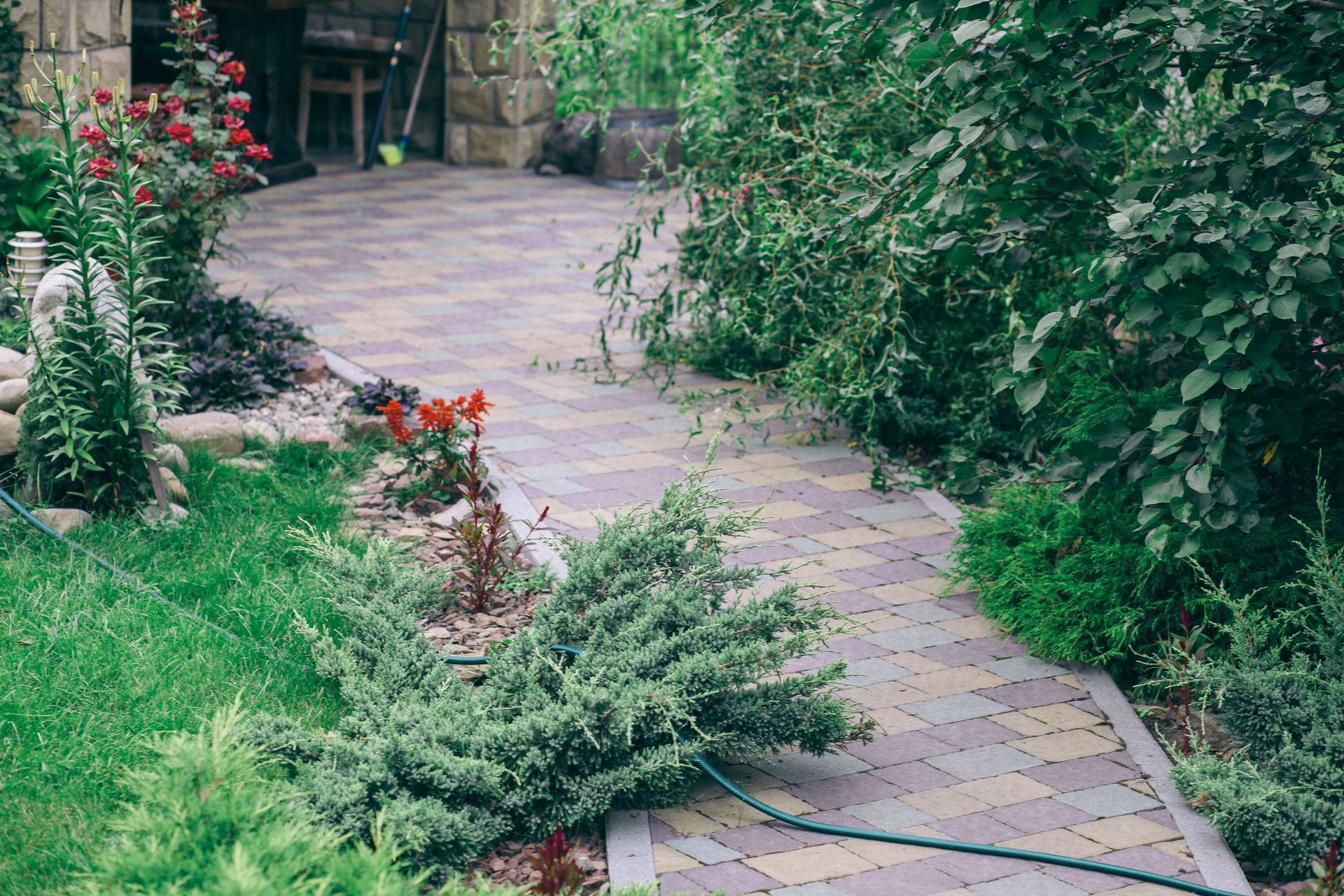
A concrete walkway can connect different parts of a landscape while creating a more organized outdoor appearance. Paths can lead from driveways to front entrances, connect patios to backyard spaces, or provide access to garden areas. Their placement helps establish a natural flow throughout the property, making outdoor spaces easier to access and enjoy. Curved or straight walkway designs can also complement existing landscaping and architectural features.
Surrounding a walkway with flowerbeds, shrubs, and other greenery can soften the appearance of the concrete. Decorative borders and coordinated finishes provide additional opportunities to connect hardscape features with natural elements. Homeowners can also consider how walkway placement affects drainage and the surrounding ground. A concrete contractor can assess these site conditions during project planning to help create a pathway that fits the property's layout and provides practical access.
3. Increasing Perceived Property Value
Exterior improvements can influence how potential buyers view a home. A clean, well-maintained walkway creates a welcoming entrance and gives the property a more finished appearance. Cracked, uneven, or deteriorating pathways can have the opposite effect, making an otherwise attractive home appear neglected. Replacing an outdated walkway with a professionally installed concrete surface can improve the property's overall presentation.
Concrete walkways also offer lasting value because they can provide years of dependable use when properly installed and maintained. According to HomeGuide, concrete walkways generally last between 25 and 50 years, with their lifespan influenced by installation quality, maintenance, and reinforcement. This longevity makes concrete an appealing option for homeowners planning exterior improvements. A concrete contractor can evaluate the property's layout and recommend an appropriate installation approach for a durable finished surface.
4. Improving Durability and Maintenance
Concrete is a durable material that can withstand regular foot traffic and exposure to outdoor conditions. Unlike some alternative walkway materials, poured concrete provides a continuous surface without loose gravel or individual pavers that can shift out of place. Proper site preparation, grading, and installation help support the finished walkway and reduce the likelihood of premature damage. These considerations are particularly important in areas that experience seasonal temperature changes and heavy rainfall.
Although concrete requires some maintenance, routine care can help preserve its appearance and condition. Removing dirt, leaves, and other debris helps prevent buildup, while addressing small cracks or surface damage can reduce further deterioration. Homeowners should also pay attention to drainage because standing water can contribute to surface damage over time. A concrete contractor can discuss suitable finishes and maintenance considerations based on the property's conditions.
When an existing walkway becomes worn or discolored, replacement may not always be necessary. Depending on the condition of the concrete, repair or overlay services may offer another option for improving its appearance. Concrete repair and overlay services can restore worn surfaces when their condition allows. Evaluating the existing walkway helps determine whether restoration or a new installation is more appropriate.
5. Improving Safety and Accessibility
Walkways provide designated routes for people moving around a property. A properly installed concrete path helps visitors reach entrances without walking through grass, garden beds, or uneven areas of the yard. Smooth, level surfaces can also reduce tripping concerns associated with deteriorating or poorly maintained pathways. These benefits make concrete walkways a practical addition to residential properties.
Accessibility is another important consideration when planning a walkway. Appropriate widths, gradual slopes, and thoughtful placement can make pathways easier to use for people with different mobility needs. Textured concrete finishes can also provide additional traction underfoot, particularly in areas exposed to rain. A concrete contractor can help plan the walkway's dimensions and placement around the property's entrances and existing features.
Lighting and landscaping can further improve walkway safety. Outdoor lights help make pathways easier to see after sunset, while properly maintained surrounding areas keep branches and other obstacles away from walking surfaces. Homeowners should also consider how water moves across the walkway to reduce standing water and slippery conditions. Combining these features creates a more accessible and functional exterior.
6. Defining Functional Outdoor Spaces
Concrete walkways help organize outdoor areas by establishing clear routes between different parts of a property. A pathway can connect a driveway to the front entrance or provide access between a patio and backyard seating area. This organization makes outdoor spaces easier to navigate while protecting lawns and landscaping from unnecessary foot traffic. Clearly defined paths also give properties a more intentional and finished appearance.
Walkways can complement other concrete installations, including patios, porches, and retaining walls. Coordinating materials and finishes across these features helps create a consistent exterior design. For example, stamped concrete can introduce decorative patterns that carry throughout multiple outdoor areas. These design choices allow homeowners to create functional spaces that also contribute to the property's visual appeal.
For properties with sloped or uneven terrain, thoughtful concrete placement can help connect different elevations. Retaining walls may also provide structural support while defining landscaped areas and outdoor boundaries. A concrete contractor can help evaluate how walkways and other concrete features fit into the property's existing layout. Coordinating these improvements can make outdoor spaces more practical while maintaining a cohesive appearance.
7. Creating Personalized Design Options
Concrete walkways can be customized to reflect a homeowner's preferred appearance and functional needs. Traditional finishes offer a simple, understated look, while stamped and decorative concrete provide more distinctive design possibilities. Patterns that resemble brick, stone, or tile can introduce visual interest without requiring those individual materials. Color choices and surface textures provide additional ways to coordinate the walkway with the home's exterior.
Homeowners can also consider how a new walkway will complement other planned improvements. Matching a pathway to a driveway, patio, or front porch can create a more unified appearance across the property. Available services include stamped concrete, decorative finishes, patios, driveways, sidewalks, and walkways. Residential and commercial project capabilities provide options for improvements involving both functional surfaces and exterior design.
Planning a walkway project involves considering the property's dimensions, intended foot traffic, drainage, and preferred finish. Professional installation begins with understanding these requirements and preparing the site for concrete placement. The project planning process can include reviewing the customer's vision and preparing a scaled 3D rendering for approval before construction begins. This approach helps homeowners visualize the proposed design before work gets underway.
A well-designed concrete walkway can improve curb appeal while providing a durable, functional surface for everyday use. From decorative finishes and coordinated landscaping to improved accessibility and defined outdoor spaces, these pathways offer several benefits for residential properties. Choosing appropriate materials, planning the layout, and prioritizing proper installation all contribute to a successful project. Contact Cornerstone Concrete to request a free estimate and discuss your concrete walkway project.